
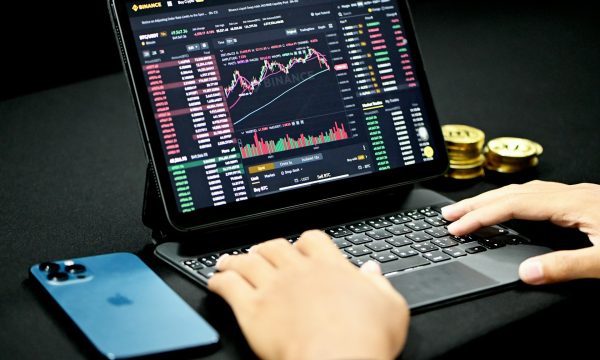


If you’re starting trading from anywhere in the world, the key is to treat it as a skill to learn—not a quick way to make money. Here’s a practical roadmap.
Table Of Content
1. Learn the Basics
Understand:
- How financial markets work (stocks, forex, cryptocurrencies, commodities, indices)
- Market orders vs. limit orders
- Bid and ask prices
- Leverage and margin
- Risk vs. reward
- Technical analysis (charts, trends, indicators)
- Fundamental analysis (economic news, company performance)
2. Decide What You Want to Trade
Common markets include:
- Stocks – Shares of publicly traded companies.
- Forex – Currency pairs (e.g., EUR/USD).
- Cryptocurrencies – Digital assets like Bitcoin and Ethereum.
- Commodities – Gold, silver, oil, etc.
- Indices – Groups of stocks, such as the S&P 500 or FTSE 100.
Choose one market initially instead of trying to learn everything at once.
3. Pick a Trading Style
- Position Trading: Hold trades for months or years.
- Swing Trading: Hold trades for days to weeks.
- Day Trading: Open and close trades within the same day.
- Scalping: Very short-term trades lasting seconds or minutes.
Beginners often find swing trading easier because it requires less constant monitoring.
4. Use a Demo Account First
Practice with virtual money for several weeks or months to:
- Learn the platform.
- Test strategies.
- Build confidence without risking real money.
5. Develop a Trading Strategy
Your strategy should define:
- When to enter a trade.
- When to exit.
- Where to place a stop-loss.
- How much profit you’re targeting.
- Maximum risk per trade.
Avoid trading based on emotions or social media tips.
6. Learn Risk Management
Many experienced traders consider this more important than finding perfect entries.
Good habits include:
- Risk only 1–2% of your trading capital on a single trade.
- Always use a stop-loss.
- Don’t overtrade.
- Avoid using high leverage when you’re new.
7. Start Small
Once you’ve been consistently profitable on a demo account:
- Deposit only money you can afford to lose.
- Start with small position sizes.
- Focus on consistency rather than large profits.
8. Keep a Trading Journal
Record:
- Why you entered each trade.
- Entry and exit prices.
- Profit or loss.
- What you learned.
Reviewing your trades helps identify patterns and improve your decision-making.
9. Continue Learning
Markets change over time. Keep improving by studying:
- Price action
- Market psychology
- Risk management
- Economic news
- Your own past trades
Common Beginner Mistakes
- Expecting to get rich quickly.
- Trading without a plan.
- Risking too much on one trade.
- Letting emotions drive decisions.
- Using excessive leverage.
- Chasing losses after a losing trade.
Example Learning Timeline
- Weeks 1–2: Learn market basics and terminology.
- Weeks 3–6: Practice chart reading and technical analysis.
- Months 2–3: Trade on a demo account.
- Months 4–6: Refine a strategy and track results.
- After consistent demo performance: Begin live trading with a small amount of capital.
Final Tip
Successful trading is usually measured over years, not weeks. Prioritize protecting your capital, managing risk, and building a repeatable process. Consistency and discipline tend to matter far more than finding a “perfect” strategy.





No Comment! Be the first one.