


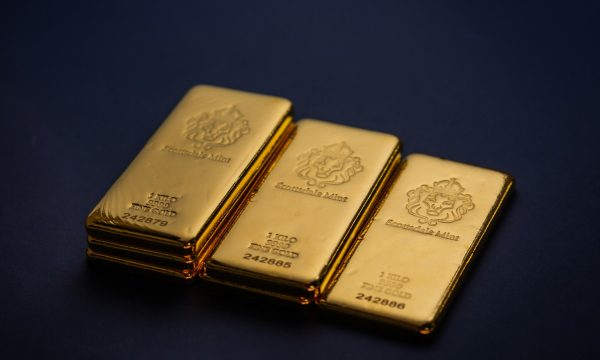
Gold can be traded in several ways, depending on whether you want to own physical gold or speculate on its price. Common methods include buying physical gold bars or coins, trading gold ETFs, using gold futures, trading CFDs where legally available, or buying shares of gold-mining companies. In India, people may also trade gold through regulated exchanges such as MCX, where gold futures and options are available.
The basic idea is to buy when you expect gold prices to rise and sell later at a higher price. Traders can also use derivatives to potentially profit from falling prices, but these products involve substantially greater risk because leverage can magnify both gains and losses. Gold prices are influenced by interest rates, inflation expectations, the US dollar, central-bank activity, geopolitical tensions, and global economic conditions.
If you are trading rather than investing, risk management is particularly important. Decide how much money you can afford to lose, avoid putting all your capital into one trade, understand leverage before using it, and consider using stop-loss orders. Never assume that gold is guaranteed to rise simply because it is considered a safe-haven asset.
Gold trading scams worldwide
Gold attracts scams in many countries because it is valuable, widely recognized, and easy to market as a supposedly “safe” investment. Common scams include fake gold bars or coins, gold-plated metals sold as solid gold, counterfeit certificates, fraudulent online gold-trading platforms, fake mining or gold-investment companies, and schemes promising unusually high or guaranteed returns.
Online scammers may contact people through social media, messaging applications, dating platforms, emails, or unsolicited phone calls. They may show fabricated trading profits and pressure victims to deposit increasingly large amounts. Some fake platforms even display a growing account balance, but when the victim tries to withdraw the money, the scammer demands additional “taxes,” “fees,” “verification payments,” or deposits. Paying these demands generally does not recover the money.
Another international scam involves someone claiming to have discovered a large quantity of gold that needs an investor, partner, customs payment, transportation fee, or government clearance. The supposed gold may not exist at all. Fraudsters can also use forged government documents, fake assay certificates, fake warehouse receipts, and imitation websites to appear legitimate.
Before trading gold, verify that the broker or exchange is licensed by the appropriate financial regulator in your country, independently check the company’s official contact details, understand exactly what product you are buying, and verify withdrawal rules before depositing significant money. Be especially suspicious of anyone promising guaranteed profits, zero risk, secret gold opportunities, or unusually high returns.
Gold itself is a legitimate globally traded asset, but a legitimate gold market does not make every person or website offering gold legitimate. The safest approach is to use established, regulated institutions and understand the product before committing money.





No Comment! Be the first one.