
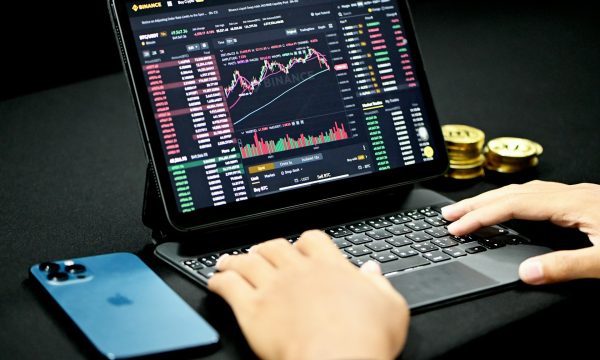

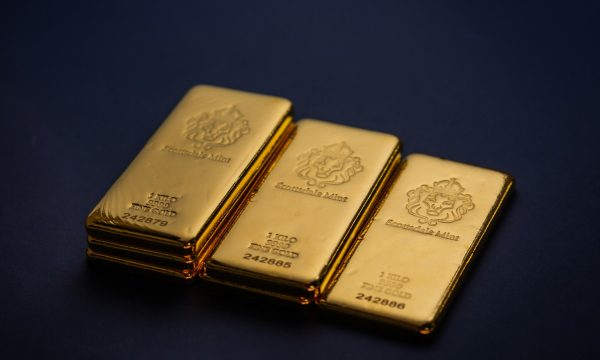
Commodities investments are investments in raw materials or primary goods that are traded in markets around the world. Examples include gold, silver, crude oil, natural gas, copper, wheat, coffee, sugar, cotton, and other agricultural or industrial commodities. Unlike stocks, which represent ownership in a company, commodities generally represent exposure to the price of a physical resource. Investors use commodities for potential returns, portfolio diversification, and protection against inflation or economic uncertainty. However, commodity markets can also attract scam and fraud schemes, particularly through unregulated trading platforms and fake investment opportunities.
There are several ways to invest in commodities. One method is buying the physical commodity, such as purchasing gold or silver bullion. Another is investing through commodity futures contracts, which are agreements to buy or sell a commodity at a predetermined price and date. Futures can provide substantial gains but are highly leveraged and can also produce substantial losses. Investors can also obtain commodity exposure through exchange-traded funds (ETFs), exchange-traded notes (ETNs), mutual funds, or shares of companies involved in commodity production, such as mining, energy, or agricultural businesses. Each method has different costs, risks, liquidity characteristics, and tax considerations depending on the country.
Commodity prices are influenced by worldwide economic and political conditions. Supply and demand are among the most important factors: a drought can reduce agricultural production, a conflict can disrupt oil supplies, and strong industrial growth can increase demand for metals. Weather, transportation costs, currency movements, interest rates, government policies, technological developments, inventories, and international trade restrictions can also affect prices. Because these factors can change rapidly, commodities are generally more volatile than many traditional investments. For example, a sudden shortage of an important resource may cause its price to rise sharply, while an unexpected increase in production may cause prices to fall.
Commodities can play several roles in an investment portfolio. Some investors use precious metals such as gold as a potential store of value during periods of financial or geopolitical uncertainty. Energy and industrial commodities may provide exposure to global economic activity, while agricultural commodities can respond to weather and food-supply conditions that differ from those affecting stocks and bonds. Commodity investments may therefore behave differently from traditional financial assets, potentially providing diversification. Nevertheless, diversification does not guarantee profits or prevent losses.
Commodity investing also carries significant risks. Prices can move sharply in either direction, and futures contracts may involve leverage that magnifies both gains and losses. Physical commodities can involve storage, insurance, transportation, and security expenses. Commodity ETFs and funds may have management fees and may not perfectly track the spot price of the underlying commodity because of futures-contract structures and other factors. Investors in commodity-producing companies face additional risks related to management, debt, operating costs, environmental regulations, labor conditions, and company-specific performance.
Scam and fraud risks are particularly important when investing in commodities. Fraudsters may promise guaranteed returns from gold, oil, cryptocurrency-linked commodities, or supposedly exclusive trading programs. Warning signs include guaranteed profits, pressure to transfer money quickly, requests for payment to personal accounts or cryptocurrency wallets, unrealistic claims about risk-free trading, and platforms that do not provide clear information about their regulation or ownership. Investors should independently verify the identity and regulatory status of an investment provider, understand the product before committing money, and be especially cautious about unsolicited investment offers.
Worldwide, commodities remain an important part of the global economy because they provide the raw materials needed for energy production, manufacturing, construction, transportation, agriculture, and everyday consumption. Commodity investments can offer diversification and opportunities for profit, but they are not automatically safe or suitable for every investor. Understanding the specific commodity, investment structure, leverage, fees, liquidity, taxation, and risks is essential before investing, while careful verification can help reduce exposure to scam and fraud.



No Comment! Be the first one.